Physical Risks Faced by Migrants in and through Nigeria
International migration — especially when irregular — involves significant physical dangers. These risks can occur during travel, in transit environments, and within or near destination countries such as Nigeria and surrounding regions. The following points summarize key physical hazards verified by international organizations studying migration and protection
How well do you understand the real dangers of irregular migration from Nigeria? Answer all 8 questions to find out.
0 / 8
1. Violence, Physical Assault, Kidnapping and Extortion
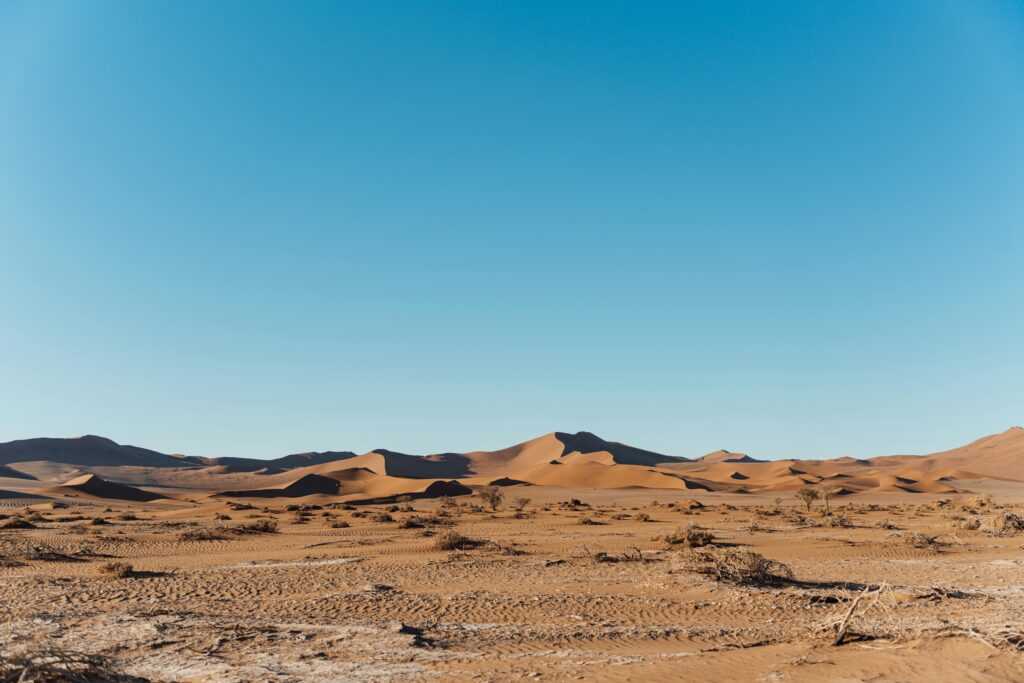
Migrants from Nigeria travelling irregularly often face violent attacks, kidnapping for ransom, and extortion along their journey, particularly in transit countries like Libya or across the Sahara Desert. Smugglers and criminal groups may torture, beat or rob them; some are killed if they refuse to cooperate.
Human traffickers may shoot migrants, torture them, or demand ransom from families.
Nigeria’s immigration authorities have warned migrants that organised smuggling networks expose travellers to violence and death, especially at desert crossing points.
2. Dangerous Travel Conditions and Starvation/Dehydration
Irregular migration routes often involve long and hazardous journeys through deserts or across the Mediterranean Sea:
Migrants may suffer starvation, dehydration and exhaustion due to lack of water and food while being transported through remote areas.
Overcrowded or unsafe boats attempting sea crossings increase the risk of capsizing, drowning, or being forced back into detention by coast guards.
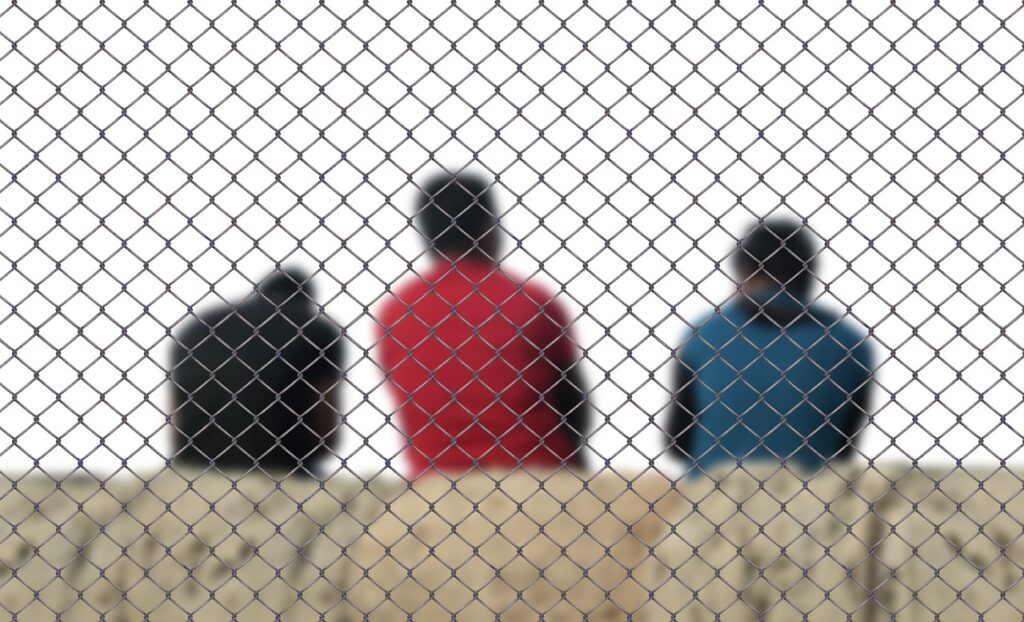
3. Detention, Beatings, and Overcrowded Transit Camps
During irregular journeys, migrants often lack secure shelter and are exposed to extreme environmental conditions:
Exposure to heat, cold, and wildlife hazards when crossing national parks, forests, or remote regions.
Lack of food, clean water, and first aid, leading to malnutrition, dehydration, disease, or untreated injuries.
These environmental exposures significantly heighten the risk of accidental injury and health deterioration.
4. Sexual Violence and Exploitation
In some cases, migrants end up in camps, holding centres, or informal shelters where physical risks persist:
Overcrowded facilities may lack adequate sanitation and access to medical care.
Such conditions increase the spread of infectious diseases (e.g., diarrhea, respiratory infections), and complicate physical recovery from injuries.
These risks are particularly significant among vulnerable populations such as women, children, and the elderly.
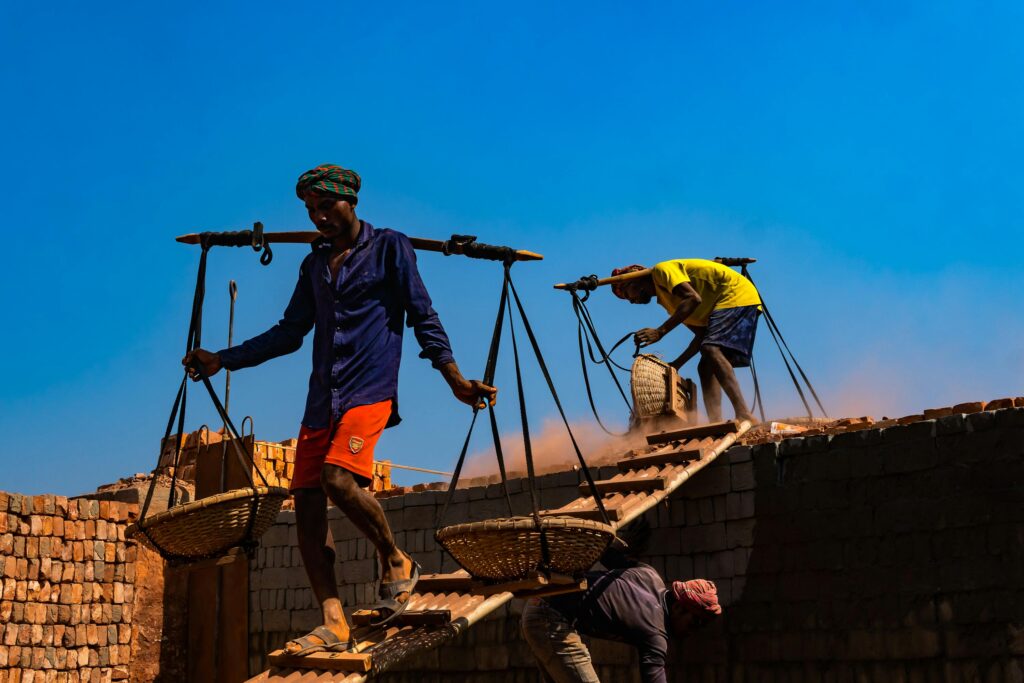
5. Trafficking and Forced Labor
Migrants often face barriers to health care, especially when traveling irregularly or without documentation:
Lack of access to preventive care, emergency medical assistance, and treatment for injuries or chronic conditions is a major risk factor.
Migrants may delay or avoid seeking care due to fear of detention or deportation.
This compounds the physical harm from injuries or hazardous conditions.
6. Death Along Migration Routes
In some cases, migrants end up in camps, holding centres, or informal shelters where physical risks persist:
Overcrowded facilities may lack adequate sanitation and access to medical care.
Such conditions increase the spread of infectious diseases (e.g., diarrhea, respiratory infections), and complicate physical recovery from injuries.
These risks are particularly significant among vulnerable populations such as women, children, and the elderly.