🇳🇬 life in transit

Life in Transit during irregular migration from Nigeria

For many migrants leaving Nigeria, the journey toward Europe or other destinations does not happen all at once. Instead, migrants often pass through several transit countries, where they may stay for weeks, months, or even years before continuing their journey.

During this time, migrants may experience difficult living conditions, uncertainty, and various risks.

Life in Transit Quiz — Nigeria | Informed Migration

Life in Transit — Knowledge Check

The journey from Nigeria to Europe passes through some of the world's most dangerous transit zones — Agadez, the Sahara, Libya. For most migrants, the "transit" phase is not a brief stop. It can last months or years. How well do you understand what that life actually looks like? Answer all 8 questions.
0 / 8

1. Living in Temporary and Unstable Conditions

Migrants in transit frequently live in temporary or informal accommodation while waiting for the next stage of their journey.

These living situations may include:

  • overcrowded apartments or shared rooms

  • informal shelters arranged by smugglers

  • temporary camps or abandoned buildings

Access to essential services such as healthcare, clean water, sanitation, and food may be limited in some transit locations.

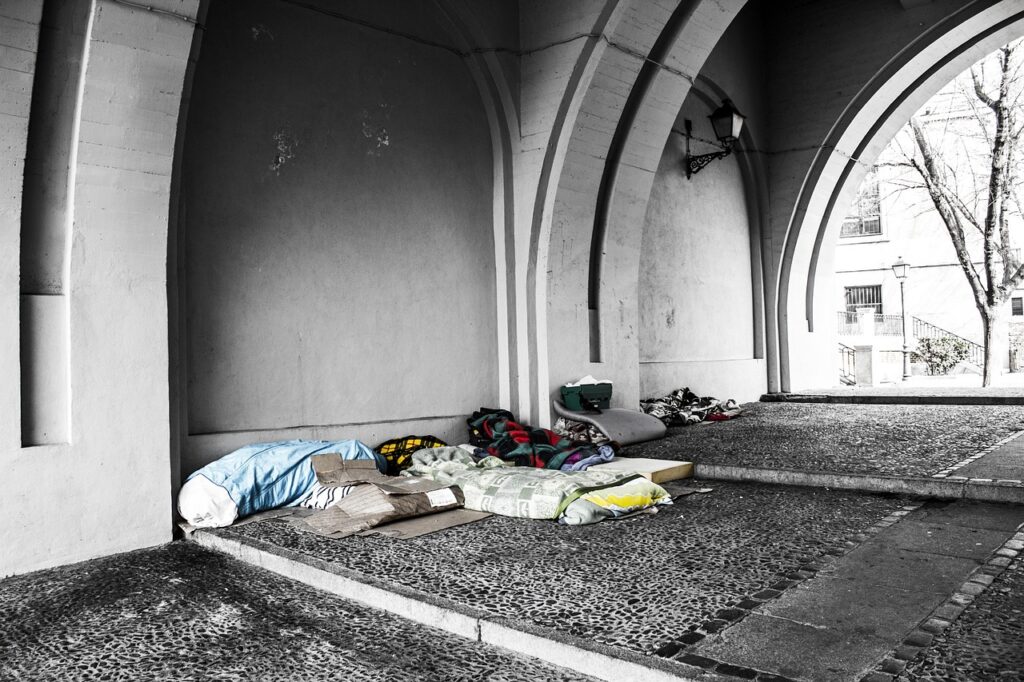
homeless, blankets, charity, poverty, under a bridge, stone floor, old mattresses, dirt, dangerous, unsafety, madrid, capital, urban, urban landscape, spain, city, architecture, building, cities, scenery, madrid center, viaduct, downtown, pillows, cold, inclement, refugees, pain, pity, depressed, economy, bubble, indigence, homeless, homeless, homeless, homeless, homeless, charity
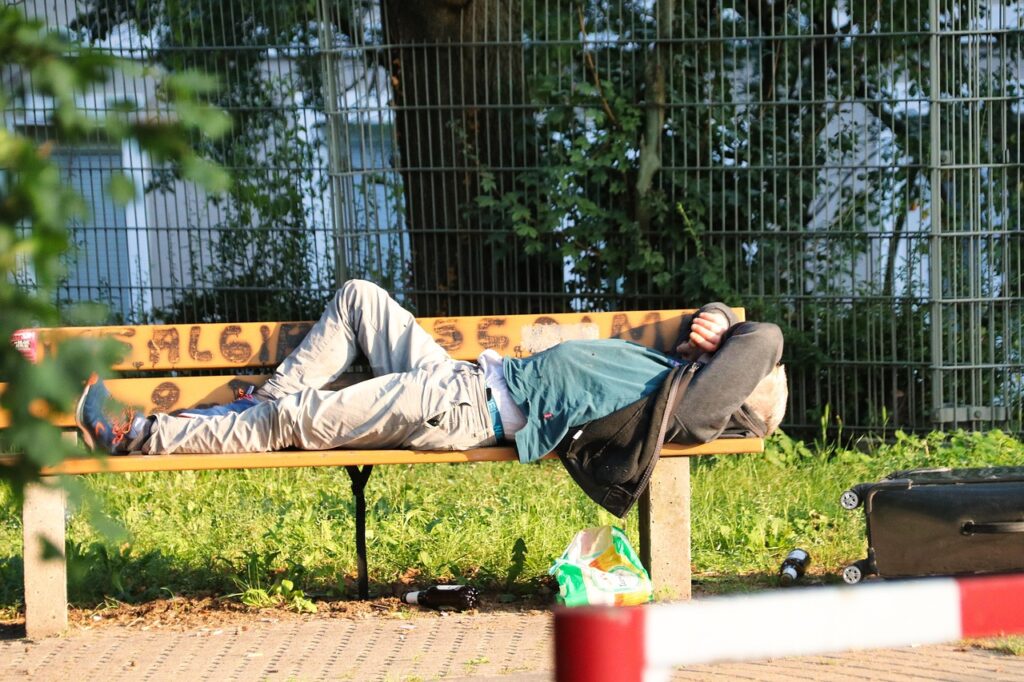
homeless, sleep, quiet, relaxation, break, lying, relax, homeless, homeless, homeless, homeless, homeless

2. Waiting Long Periods to Continue the Journey

Migration routes are often organized in multiple stages.

Migrants may have to wait until they can:

  • find a smuggler or transportation for the next part of the route

  • collect enough money to continue travelling

  • obtain travel documents or new arrangements

These waiting periods can sometimes last months or even years, depending on the route and the circumstances.

3. Dependence on Smugglers and Informal Networks

During transit, many migrants rely on smuggling networks or intermediaries to help them continue their journey.

However, this dependence can create additional risks. Some migrants report:

  • being abandoned during the journey

  • being forced to pay additional fees

  • being kept in “safe houses” until families send more money

Criminal networks involved in migrant smuggling may take advantage of migrants’ vulnerable situations.

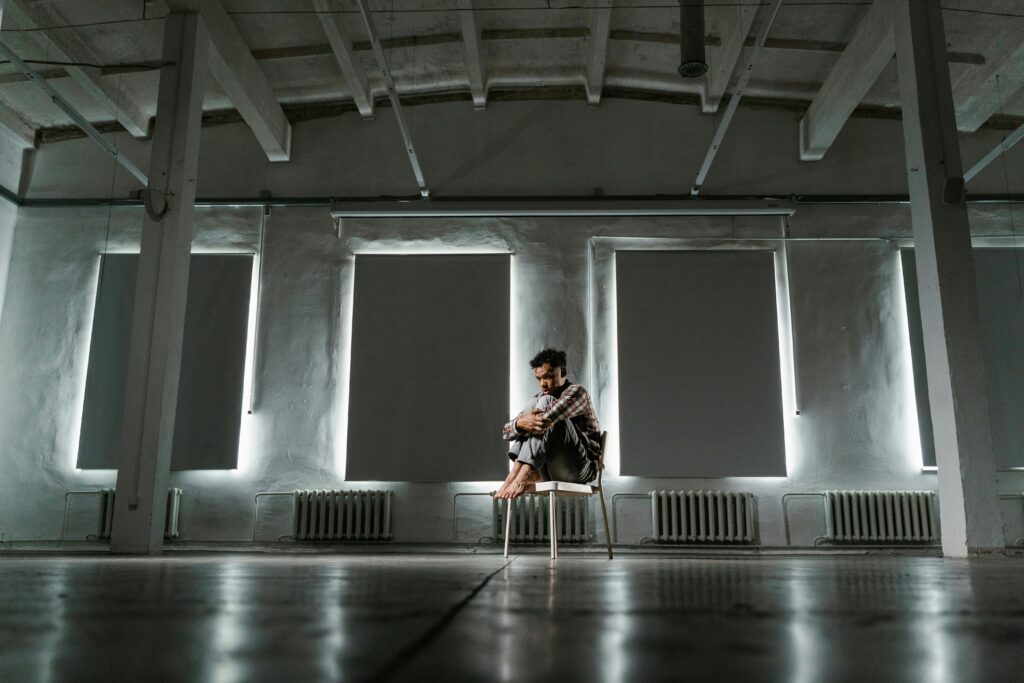
A lonely man sitting on a chair in a dimly lit industrial room, embodying solitude.
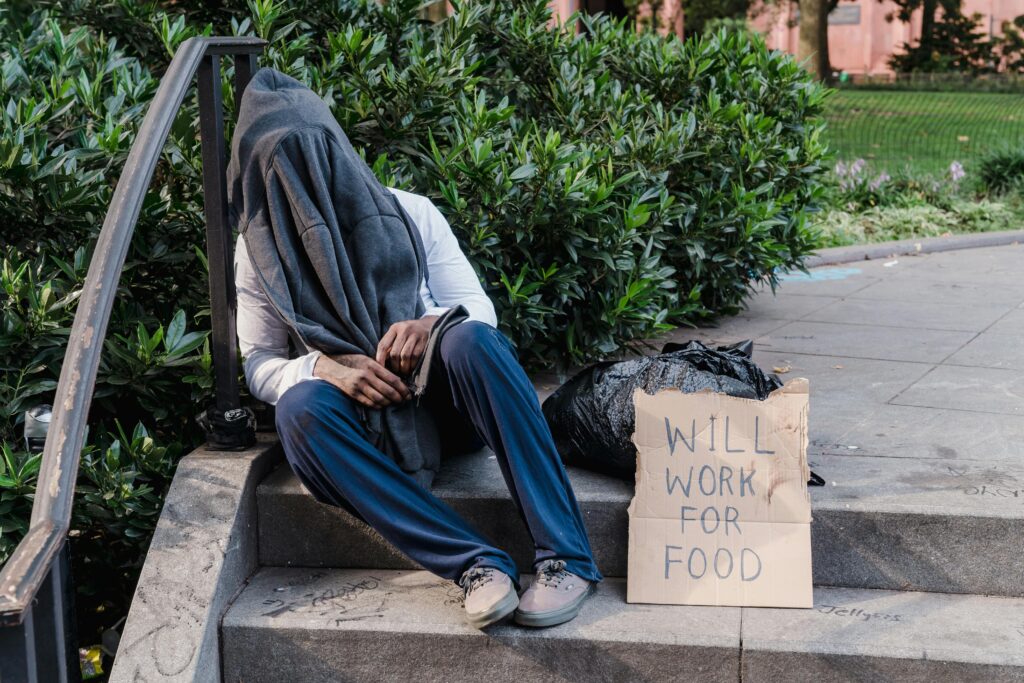
A homeless person sitting on outdoor stairs, covered by a cloth, with a sign reading 'Will Work for Food'.

4. Limited Access to Work and Income

Migrants in transit often struggle to find stable employment.

Some may try to earn money through informal jobs in order to finance the rest of their journey. However:

  • work opportunities may be irregular

  • wages may be very low

  • migrants may face unsafe or exploitative working conditions

Without stable income, migrants can become stuck in transit locations for long periods.

5. Exposure to Exploitation and Crime

Migrants travelling through transit countries may face increased vulnerability to exploitation.

Possible risks include:

  • robbery or theft

  • extortion or bribery

  • exploitation by employers or smugglers

  • detention by authorities due to irregular status

Migrants may also experience discrimination or social isolation because of their vulnerable situation.

Grayscale image of a handcuffed man holding cash, symbolizing crime and consequences.

Explore. Learn. Make Informed Choices.

Scroll to Top

Informed Migration

Where are you from?

Choose your country to see content in your language.

Browse all content →

Informed Migration

Where are you from?

Choose your country to see content in your language.

Browse all content →