Life in Transit during Irregular Migration from Kenya
For many migrants leaving or passing through Kenya, the journey to another destination does not happen all at once. Instead, migrants often spend weeks, months, or even years in transit countries while trying to continue their journey.
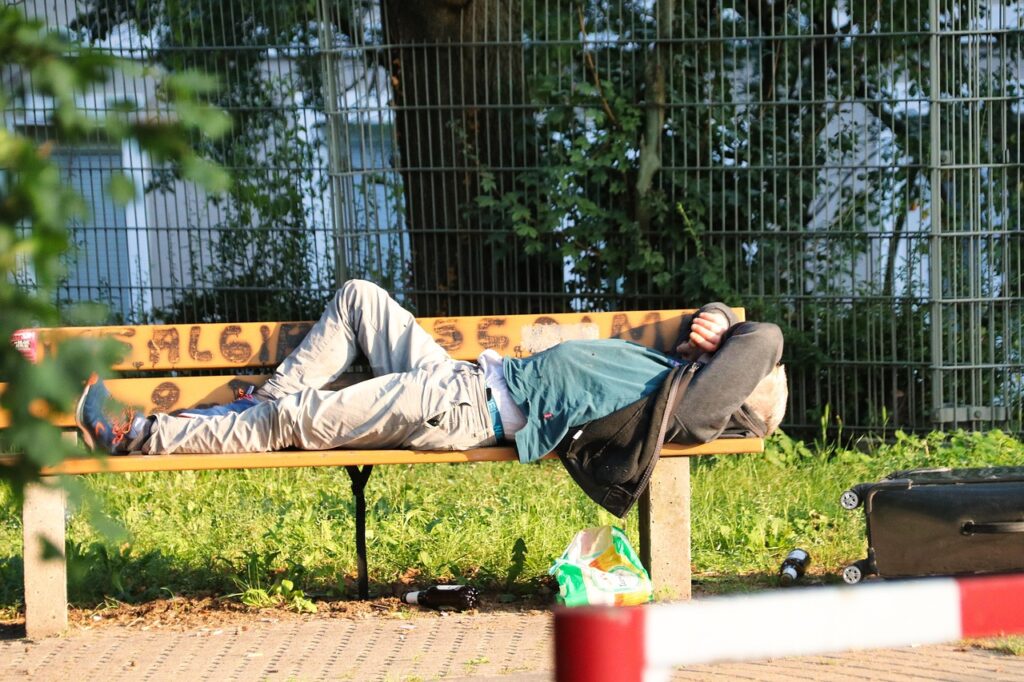
During this period, migrants may face difficult living conditions, uncertainty, and different types of risks.
For migrants passing through or departing Kenya, the journey rarely goes from A to B in a straight line. Weeks, months — sometimes years — are spent in transit. How well do you understand what that life actually looks like? Answer all 8 questions.
0 / 8
1. Living in Temporary and Unstable Conditions
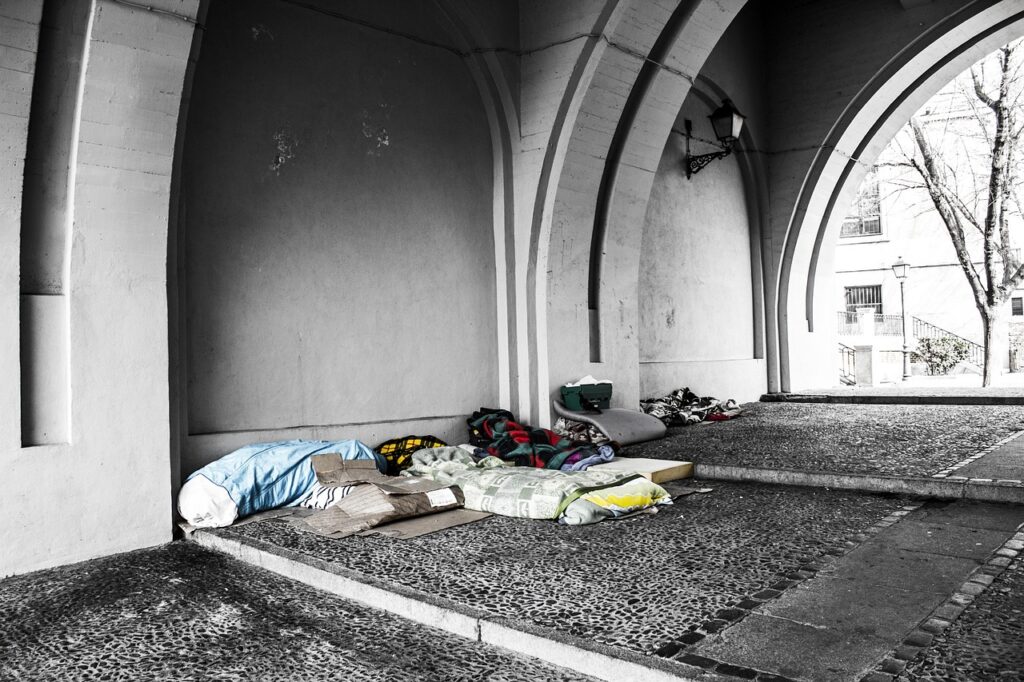
Migrants in transit often live in temporary shelters or informal accommodation while waiting for the next stage of their journey.
These places may include:
Shared rooms or overcrowded housing
Informal shelters arranged by smugglers
Temporary camps or low-cost accommodation
Access to basic services such as clean water, food, healthcare, and sanitation can sometimes be limited for migrants during transit.
2. Waiting for the Next Stage of the Journey
Migration journeys often happen in several stages. Migrants may have to wait until they can:
Find a smuggler or transport for the next leg of the journey
Collect enough money to continue travelling
Receive documents or travel arrangements
This waiting period can last from several days to many months, depending on the route and the available opportunities.
3. Dependence on Smugglers and Informal Networks
While in transit, migrants may rely on smugglers or informal intermediaries to organize the next stage of the journey.
However, these networks can create additional risks. Some migrants report:
Being abandoned by smugglers during the journey
Being forced to pay extra fees before continuing the trip
Being kept in so-called “safe houses” until additional payments are made.
4. Limited Access to Work and Income
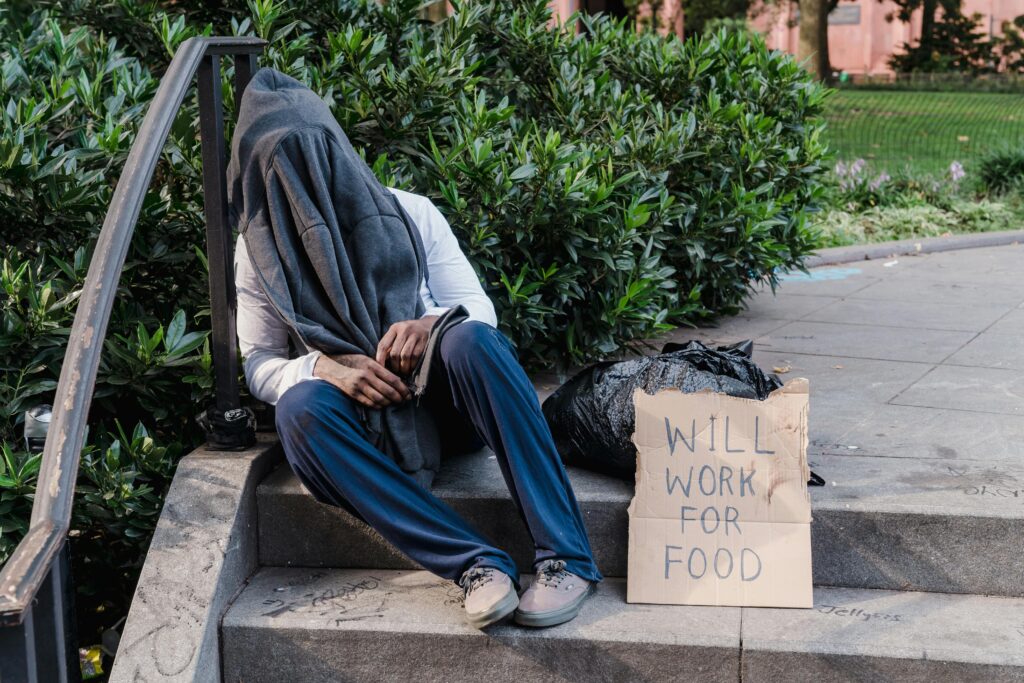
Migrants in transit often struggle to find stable work.
Some may try to earn money through temporary or informal jobs to finance the rest of their journey. However:
Work opportunities may be irregular
Wages can be very low
Some migrants may face exploitation or unsafe working conditions
Without stable income, migrants may remain stuck in transit for long periods.
5. Exposure to Exploitation and Crime
Migrants often face barriers to health care, especially when traveling irregularly or without documentation:
Lack of access to preventive care, emergency medical assistance, and treatment for injuries or chronic conditions is a major risk factor.
Migrants may delay or avoid seeking care due to fear of detention or deportation.
This compounds the physical harm from injuries or hazardous conditions.